Unexpected Political Clash Shakes Investor Confidence in EV Giant
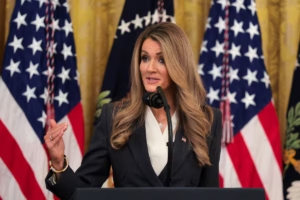
A public feud between former President Donald Trump and Tesla CEO Elon Musk has rattled markets, sending Tesla shares down over 7% in a single day and wiping billions off the company’s market cap. The clash, which unfolded over a series of online exchanges and rally speeches, marks one of the most dramatic confrontations between a political figure and a corporate leader in recent memory.
Trump, addressing a campaign crowd, accused Musk of being “ungrateful” and “manipulative,” citing federal subsidies and tax credits Tesla received during his administration. Musk fired back on social media, claiming he owed “nothing” to Trump and that Tesla’s success was built in spite of political interference, not because of it.
From Strategic Alliance to Personal Rift
During Trump’s presidency, Musk had occasionally engaged with the administration on matters ranging from space policy to EV manufacturing incentives. However, tensions have simmered in recent months, especially as Musk has become increasingly vocal on policy issues—opposing tariffs, criticizing border controls, and warning against “authoritarian overreach” in both parties.
The feud intensified after Trump hinted at imposing new tariffs on foreign-made EVs, which would indirectly impact Tesla’s supply chain and global production hubs in China and Germany. Musk publicly condemned the idea, arguing that “EV innovation should not become collateral damage in political theater.”
Their relationship has now devolved into a headline-grabbing spectacle, with markets reacting swiftly.
Investor Reactions and Market Fallout
Tesla’s sharp stock decline reflects investor concerns that the feud could jeopardize the company’s political standing and operational flexibility. Analysts point out that regulatory headwinds—including EV tax policy, labor mandates, and global trade rules—are deeply influenced by whoever controls the White House.
“Tesla operates in a highly policy-sensitive sector,” said Stephanie Walters, an equity analyst at Merrill Lyons. “Antagonizing a leading presidential candidate—even inadvertently—raises real risk exposure.”
The broader EV sector also felt the impact, with Rivian, Lucid, and Ford’s electric division all experiencing moderate declines. The Nasdaq Composite dipped 1.2% on the day, driven in part by Tesla’s slide.
Political and Industry Implications
Trump’s criticisms have focused not only on Musk personally but on what he calls “elitist tech CEOs trying to control America’s future.” Political strategists view the attack as part of a broader campaign narrative positioning Trump as the champion of traditional industries and domestic manufacturing.
Musk, meanwhile, has intensified efforts to present Tesla as politically neutral and innovation-focused. His statements suggest a desire to keep Tesla out of political crossfire, even as he defends the company’s autonomy and global strategy.
What Comes Next?
With the U.S. presidential election campaign heating up, further clashes between political leaders and high-profile tech CEOs appear likely. For Tesla, maintaining investor trust amid political volatility will be key, especially as the company prepares to launch its next-generation vehicle platform and expand AI-based autonomous driving features.
The Trump–Musk standoff is more than a personality clash—it is a reflection of the growing friction between populist politics and disruptive innovation in America’s economic future. For investors, the message is clear: when politics meets tech at high velocity, market turbulence is never far behind.

Stay ahead with ITBusinessNews – Your trusted source for Technology and Business news. Fast & Precise
- ITBN EDITORIAL TEAM
- ITBN EDITORIAL TEAM
- ITBN EDITORIAL TEAM
- ITBN EDITORIAL TEAM
- ITBN EDITORIAL TEAM
- ITBN EDITORIAL TEAM
- ITBN EDITORIAL TEAM
- ITBN EDITORIAL TEAM
- ITBN EDITORIAL TEAM
- ITBN EDITORIAL TEAM
- ITBN EDITORIAL TEAM
- ITBN EDITORIAL TEAM
- ITBN EDITORIAL TEAM
- ITBN EDITORIAL TEAM
- ITBN EDITORIAL TEAM
- ITBN EDITORIAL TEAM
- ITBN EDITORIAL TEAM
- ITBN EDITORIAL TEAM
- ITBN EDITORIAL TEAM
- ITBN EDITORIAL TEAM
- ITBN EDITORIAL TEAM
- ITBN EDITORIAL TEAM
- ITBN EDITORIAL TEAM
- ITBN EDITORIAL TEAM
- ITBN EDITORIAL TEAM
- ITBN EDITORIAL TEAM
- ITBN EDITORIAL TEAM
- ITBN EDITORIAL TEAM
- ITBN EDITORIAL TEAM
- ITBN EDITORIAL TEAM
- ITBN EDITORIAL TEAM
- ITBN EDITORIAL TEAM
- ITBN EDITORIAL TEAM
- ITBN EDITORIAL TEAM
- ITBN EDITORIAL TEAM
- ITBN EDITORIAL TEAM
- ITBN EDITORIAL TEAM
- ITBN EDITORIAL TEAM
- ITBN EDITORIAL TEAM
- ITBN EDITORIAL TEAM
- ITBN EDITORIAL TEAM
- ITBN EDITORIAL TEAM
- ITBN EDITORIAL TEAM
- ITBN EDITORIAL TEAM
- ITBN EDITORIAL TEAM
- ITBN EDITORIAL TEAM
- ITBN EDITORIAL TEAM
- ITBN EDITORIAL TEAM
- ITBN EDITORIAL TEAM
- ITBN EDITORIAL TEAM
- ITBN EDITORIAL TEAM
- ITBN EDITORIAL TEAM
- ITBN EDITORIAL TEAM
- ITBN EDITORIAL TEAM
- ITBN EDITORIAL TEAM
- ITBN EDITORIAL TEAM
- ITBN EDITORIAL TEAM
- ITBN EDITORIAL TEAM
- ITBN EDITORIAL TEAM
- ITBN EDITORIAL TEAM
- ITBN EDITORIAL TEAM
- ITBN EDITORIAL TEAM
- ITBN EDITORIAL TEAM
- ITBN EDITORIAL TEAM
- ITBN EDITORIAL TEAM
- ITBN EDITORIAL TEAM
- ITBN EDITORIAL TEAM
- ITBN EDITORIAL TEAM
- ITBN EDITORIAL TEAM
- ITBN EDITORIAL TEAM
- ITBN EDITORIAL TEAM
- ITBN EDITORIAL TEAM
- ITBN EDITORIAL TEAM
- ITBN EDITORIAL TEAM
- ITBN EDITORIAL TEAM
- ITBN EDITORIAL TEAM
- ITBN EDITORIAL TEAM
- ITBN EDITORIAL TEAM
- ITBN EDITORIAL TEAM
- ITBN EDITORIAL TEAM
- ITBN EDITORIAL TEAM
- ITBN EDITORIAL TEAM
- ITBN EDITORIAL TEAM
- ITBN EDITORIAL TEAM
- ITBN EDITORIAL TEAM
- ITBN EDITORIAL TEAM
- ITBN EDITORIAL TEAM
- ITBN EDITORIAL TEAM
- ITBN EDITORIAL TEAM
- ITBN EDITORIAL TEAM
- ITBN EDITORIAL TEAM
- ITBN EDITORIAL TEAM
- ITBN EDITORIAL TEAM
- ITBN EDITORIAL TEAM
- ITBN EDITORIAL TEAM
- ITBN EDITORIAL TEAM
- ITBN EDITORIAL TEAM
- ITBN EDITORIAL TEAM
- ITBN EDITORIAL TEAM
- ITBN EDITORIAL TEAM
- ITBN EDITORIAL TEAM
- ITBN EDITORIAL TEAM
- ITBN EDITORIAL TEAM
- ITBN EDITORIAL TEAM
- ITBN EDITORIAL TEAM
- ITBN EDITORIAL TEAM
- ITBN EDITORIAL TEAM
- ITBN EDITORIAL TEAM
- ITBN EDITORIAL TEAM
- ITBN EDITORIAL TEAM
- ITBN EDITORIAL TEAM
- ITBN EDITORIAL TEAM
- ITBN EDITORIAL TEAM
- ITBN EDITORIAL TEAM
- ITBN EDITORIAL TEAM
- ITBN EDITORIAL TEAM
- ITBN EDITORIAL TEAM
- ITBN EDITORIAL TEAM
- ITBN EDITORIAL TEAM
- ITBN EDITORIAL TEAM
- ITBN EDITORIAL TEAM
- ITBN EDITORIAL TEAM
- ITBN EDITORIAL TEAM
- ITBN EDITORIAL TEAM
- ITBN EDITORIAL TEAM
- ITBN EDITORIAL TEAM
- ITBN EDITORIAL TEAM
- ITBN EDITORIAL TEAM
- ITBN EDITORIAL TEAM
- ITBN EDITORIAL TEAM
- ITBN EDITORIAL TEAM
- ITBN EDITORIAL TEAM
- ITBN EDITORIAL TEAM
- ITBN EDITORIAL TEAM
- ITBN EDITORIAL TEAM
- ITBN EDITORIAL TEAM
- ITBN EDITORIAL TEAM
- ITBN EDITORIAL TEAM
- ITBN EDITORIAL TEAM
- ITBN EDITORIAL TEAM
- ITBN EDITORIAL TEAM
- ITBN EDITORIAL TEAM
- ITBN EDITORIAL TEAM
- ITBN EDITORIAL TEAM
- ITBN EDITORIAL TEAM
- ITBN EDITORIAL TEAM
- ITBN EDITORIAL TEAM
- ITBN EDITORIAL TEAM
- ITBN EDITORIAL TEAM
- ITBN EDITORIAL TEAM
- ITBN EDITORIAL TEAM
- ITBN EDITORIAL TEAM
- ITBN EDITORIAL TEAM
- ITBN EDITORIAL TEAM
- ITBN EDITORIAL TEAM
- ITBN EDITORIAL TEAM
- ITBN EDITORIAL TEAM
- ITBN EDITORIAL TEAM
- ITBN EDITORIAL TEAM
- ITBN EDITORIAL TEAM
- ITBN EDITORIAL TEAM
- ITBN EDITORIAL TEAM
- ITBN EDITORIAL TEAM
- ITBN EDITORIAL TEAM
- ITBN EDITORIAL TEAM
- ITBN EDITORIAL TEAM
- ITBN EDITORIAL TEAM
- ITBN EDITORIAL TEAM
- ITBN EDITORIAL TEAM
- ITBN EDITORIAL TEAM
- ITBN EDITORIAL TEAM
- ITBN EDITORIAL TEAM
- ITBN EDITORIAL TEAM
- ITBN EDITORIAL TEAM
- ITBN EDITORIAL TEAM
- ITBN EDITORIAL TEAM
- ITBN EDITORIAL TEAM
- ITBN EDITORIAL TEAM
- ITBN EDITORIAL TEAM
- ITBN EDITORIAL TEAM
- ITBN EDITORIAL TEAM
- ITBN EDITORIAL TEAM
- ITBN EDITORIAL TEAM
- ITBN EDITORIAL TEAM
- ITBN EDITORIAL TEAM
- ITBN EDITORIAL TEAM
- ITBN EDITORIAL TEAM
- ITBN EDITORIAL TEAM
- ITBN EDITORIAL TEAM
- ITBN EDITORIAL TEAM
- ITBN EDITORIAL TEAM
- ITBN EDITORIAL TEAM
- ITBN EDITORIAL TEAM
- ITBN EDITORIAL TEAM
- ITBN EDITORIAL TEAM
- ITBN EDITORIAL TEAM
- ITBN EDITORIAL TEAM
- ITBN EDITORIAL TEAM
- ITBN EDITORIAL TEAM
- ITBN EDITORIAL TEAM
- ITBN EDITORIAL TEAM
- ITBN EDITORIAL TEAM
- ITBN EDITORIAL TEAM
- ITBN EDITORIAL TEAM
- ITBN EDITORIAL TEAM
- ITBN EDITORIAL TEAM
- ITBN EDITORIAL TEAM
- ITBN EDITORIAL TEAM
- ITBN EDITORIAL TEAM
- ITBN EDITORIAL TEAM
- ITBN EDITORIAL TEAM
- ITBN EDITORIAL TEAM
- ITBN EDITORIAL TEAM
- ITBN EDITORIAL TEAM
- ITBN EDITORIAL TEAM
- ITBN EDITORIAL TEAM
- ITBN EDITORIAL TEAM
- ITBN EDITORIAL TEAM
- ITBN EDITORIAL TEAM
- ITBN EDITORIAL TEAM
- ITBN EDITORIAL TEAM
- ITBN EDITORIAL TEAM
- ITBN EDITORIAL TEAM
- ITBN EDITORIAL TEAM
- ITBN EDITORIAL TEAM
- ITBN EDITORIAL TEAM
- ITBN EDITORIAL TEAM
- ITBN EDITORIAL TEAM
- ITBN EDITORIAL TEAM
- ITBN EDITORIAL TEAM
- ITBN EDITORIAL TEAM
- ITBN EDITORIAL TEAM
- ITBN EDITORIAL TEAM
- ITBN EDITORIAL TEAM
- ITBN EDITORIAL TEAM
- ITBN EDITORIAL TEAM
- ITBN EDITORIAL TEAM
- ITBN EDITORIAL TEAM
- ITBN EDITORIAL TEAM
- ITBN EDITORIAL TEAM
- ITBN EDITORIAL TEAM
- ITBN EDITORIAL TEAM
- ITBN EDITORIAL TEAM
- ITBN EDITORIAL TEAM
- ITBN EDITORIAL TEAM
- ITBN EDITORIAL TEAM
- ITBN EDITORIAL TEAM
- ITBN EDITORIAL TEAM
- ITBN EDITORIAL TEAM
- ITBN EDITORIAL TEAM
- ITBN EDITORIAL TEAM
- ITBN EDITORIAL TEAM
- ITBN EDITORIAL TEAM
- ITBN EDITORIAL TEAM
- ITBN EDITORIAL TEAM
- ITBN EDITORIAL TEAM
- ITBN EDITORIAL TEAM
- ITBN EDITORIAL TEAM
- ITBN EDITORIAL TEAM
- ITBN EDITORIAL TEAM
- ITBN EDITORIAL TEAM
- ITBN EDITORIAL TEAM
- ITBN EDITORIAL TEAM
- ITBN EDITORIAL TEAM
- ITBN EDITORIAL TEAM
- ITBN EDITORIAL TEAM
- ITBN EDITORIAL TEAM
- ITBN EDITORIAL TEAM
- ITBN EDITORIAL TEAM
- ITBN EDITORIAL TEAM
- ITBN EDITORIAL TEAM
- ITBN EDITORIAL TEAM
- ITBN EDITORIAL TEAM
- ITBN EDITORIAL TEAM
- ITBN EDITORIAL TEAM
- ITBN EDITORIAL TEAM
- ITBN EDITORIAL TEAM
- ITBN EDITORIAL TEAM
- ITBN EDITORIAL TEAM
- ITBN EDITORIAL TEAM
- ITBN EDITORIAL TEAM
- ITBN EDITORIAL TEAM
- ITBN EDITORIAL TEAM
- ITBN EDITORIAL TEAM
- ITBN EDITORIAL TEAM
- ITBN EDITORIAL TEAM
- ITBN EDITORIAL TEAM
- ITBN EDITORIAL TEAM
- ITBN EDITORIAL TEAM
- ITBN EDITORIAL TEAM
- ITBN EDITORIAL TEAM
- ITBN EDITORIAL TEAM
- ITBN EDITORIAL TEAM
- ITBN EDITORIAL TEAM
- ITBN EDITORIAL TEAM
- ITBN EDITORIAL TEAM
- ITBN EDITORIAL TEAM
- ITBN EDITORIAL TEAM
- ITBN EDITORIAL TEAM
- ITBN EDITORIAL TEAM
- ITBN EDITORIAL TEAM
- ITBN EDITORIAL TEAM
- ITBN EDITORIAL TEAM
- ITBN EDITORIAL TEAM
- ITBN EDITORIAL TEAM
- ITBN EDITORIAL TEAM
- ITBN EDITORIAL TEAM
- ITBN EDITORIAL TEAM
- ITBN EDITORIAL TEAM
- ITBN EDITORIAL TEAM
- ITBN EDITORIAL TEAM
- ITBN EDITORIAL TEAM
- ITBN EDITORIAL TEAM
- ITBN EDITORIAL TEAM
- ITBN EDITORIAL TEAM
- ITBN EDITORIAL TEAM
- ITBN EDITORIAL TEAM
- ITBN EDITORIAL TEAM
- ITBN EDITORIAL TEAM
- ITBN EDITORIAL TEAM